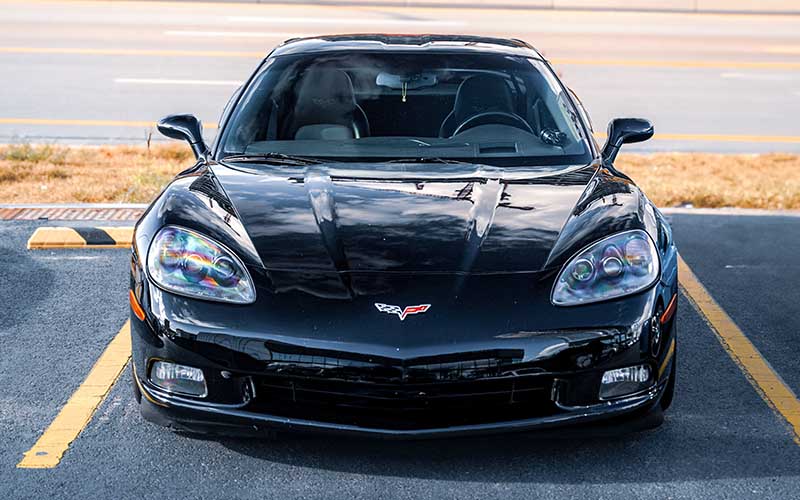
The Chevrolet Corvette C6, produced from 2005 to 2013, is one of the most appealing American sports cars on the used market. With its powerful LS-series V8 engines, lightweight design, rear-wheel-drive layout, and excellent performance, the C6 delivers an exciting driving experience without the price tag of many European sports cars. However, like any performance vehicle, it has several known weak points that owners and potential buyers should understand.
Whether you’re considering purchasing a used C6 Corvette or already own one, knowing which components are most likely to fail can help you avoid expensive repairs and keep your car performing as it should. Here are five common problems worth watching out for.
1. Harmonic Balancer Failure
One of the most well-known issues on the C6 Corvette is harmonic balancer failure. The harmonic balancer, also known as the crankshaft damper, is mounted at the front of the engine and helps reduce torsional vibrations produced by the rotating crankshaft.
Over time, the rubber isolator inside the balancer can deteriorate, allowing the outer ring to shift or wobble. This problem can affect both standard LS2 and LS3 engines, although the condition of the individual component and the car’s usage play a significant role.
Common symptoms include:
Visible wobbling of the harmonic balancer while the engine is running.
Belt squealing or unusual noises from the front of the engine.
Accessory belt misalignment or premature belt wear.
Increased vibration in some cases.
Ignoring a failing harmonic balancer can lead to belt-related problems and potentially more serious engine issues if the condition is severe.
The good news is that replacement is a well-understood repair for Corvette specialists. If you’re inspecting a used C6, ask whether the harmonic balancer has been replaced and have a mechanic check it for wobble or deterioration. Cars with higher mileage or extensive performance use deserve particular attention.
2. Differential and Rear-End Problems
The C6 Corvette sends its power to the rear wheels through a drivetrain designed to handle substantial torque. However, the differential and associated drivetrain components can develop problems, particularly on cars that have been driven aggressively.
Hard launches, repeated drag-strip use, aggressive cornering, and high-output engine modifications can place additional stress on the differential, half-shafts, and related components. Fluid condition and maintenance history also matter.
Warning signs include:
Whining or humming noises from the rear of the car.
Clunking when accelerating or transitioning between acceleration and deceleration.
Fluid leaks around the differential.
Excessive drivetrain noise during turns.
Not every rear-end noise indicates a failing differential. Some noise may come from normal drivetrain characteristics, worn mounts, or other components. Proper diagnosis is essential before replacing expensive parts.
Regular differential-fluid inspections and servicing according to the appropriate maintenance schedule can help protect the drivetrain. Buyers should also pay attention to signs of abuse, including evidence of repeated hard launches, aftermarket power modifications, and poorly documented repairs.
3. Manual Transmission and Clutch Wear
The C6 Corvette’s manual transmission provides an engaging driving experience, but the clutch is a wear item that can become expensive to replace. Its lifespan depends heavily on driving style, engine output, traffic conditions, and whether the car has been modified.
Cars frequently launched aggressively or driven on track may need clutch replacement much sooner than vehicles used primarily for highway cruising.
Common symptoms of clutch problems include:
Engine RPM rising without a corresponding increase in vehicle speed.
A high or inconsistent clutch engagement point.
Shuddering when pulling away from a stop.
Difficulty engaging gears.
Burning smells after heavy clutch use.
A worn clutch can eventually leave the car unable to transfer engine power effectively to the transmission. On modified Corvettes, the original clutch may also struggle with increased torque.
During a test drive, accelerate in a suitable gear and listen for abnormal noises while checking that the clutch engages smoothly. Avoid deliberately abusing the clutch to test it. If shifting feels unusually difficult, the issue could involve the clutch hydraulics, synchronizers, linkage, or transmission itself rather than the clutch friction material alone.
Automatic-equipped C6 models have different potential transmission concerns, so the inspection should be tailored to the specific transmission fitted to the car.
4. Electrical Problems and Battery Drain
Although the C6 Corvette is mechanically capable, age-related electrical issues can become increasingly common as these cars get older. Battery condition, grounding points, wiring connections, and electronic modules can all contribute to intermittent faults.
A weak battery is particularly important to rule out because low voltage can trigger warning lights, produce unusual electronic behavior, and make unrelated systems appear faulty.
Symptoms may include:
Intermittent warning lights on the dashboard.
Electrical accessories operating inconsistently.
Difficulty starting the car after it has been parked.
Unexpected battery discharge.
Problems with electronic locks, windows, or other convenience features.
A failing battery, charging-system fault, parasitic electrical draw, or poor connection may be responsible. These problems should not automatically be blamed on an expensive control module without proper testing.
If the battery repeatedly goes flat, a technician can perform a battery and alternator test, inspect the connections, and measure parasitic current draw after the vehicle’s electronic systems have entered their normal sleep state.
Because many C6 Corvettes are driven seasonally, proper battery maintenance is especially important. Using an appropriate battery maintainer during extended storage can reduce the likelihood of starting problems.
5. Cooling System Leaks and Overheating
The C6 Corvette’s V8 engine generates considerable heat, particularly during spirited driving or track use. Its cooling system is designed to manage these temperatures, but aging hoses, seals, radiators, water pumps, and other components can eventually require attention.
A cooling-system problem should never be ignored. Overheating can cause serious engine damage, potentially turning a relatively straightforward repair into a major expense.
Look out for:
Coolant puddles beneath the car.
Falling coolant levels without an obvious explanation.
Temperature readings higher than usual.
Coolant smells after driving.
Visible residue around cooling-system connections.
A leaking water pump, deteriorating hose, damaged radiator, or faulty pressure cap can all contribute to coolant loss. However, the precise cause must be identified before parts are replaced.
During a pre-purchase inspection, check the coolant level when the engine is cold and look for signs of previous leaks or repairs. A pressure test can help identify leaks that are not immediately visible.
Owners should also ensure the cooling system receives appropriate maintenance and that the radiator and other heat exchangers are not obstructed by accumulated dirt and debris.
The C6 Corvette remains an excellent performance car, and none of these five issues means that every example will suffer from the same problems. Vehicle history, mileage, maintenance quality, modifications, and driving habits all influence long-term reliability.
The most important areas to inspect are the harmonic balancer, differential, clutch or transmission, electrical system, and cooling system. Addressing problems early can prevent additional damage and help keep ownership costs under control.
If you’re buying a used C6, a pre-purchase inspection by a mechanic familiar with Corvettes is one of the smartest investments you can make. A well-maintained example can provide years of reliable performance, while a neglected car may quickly become an expensive project.
The key to owning a C6 Corvette is not avoiding every possible failure. It’s understanding the car’s weaknesses, maintaining it properly, and dealing with developing problems before they become serious repairs.